Xtadium
NDAExperience the Front Row
from Anywhere
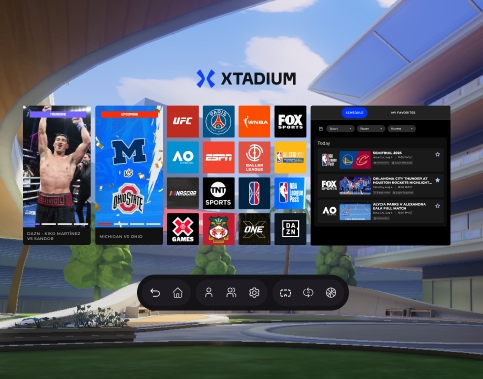
Xtadium brings you courtside to every game, live and on demand, with stunning 180° and 360° video. Watch with friends, switch camera angles, dive into real-time stats, and enjoy sports like never before in full VR or mixed reality.
Xtadium is a VR sports streaming app developed in partnership with Meta for the Meta Quest headsets. Designed to redefine how fans experience live sports, it brings immersive, multi-camera, social viewing directly into the homes of U.S.-based VR users.
UX Researcher, Interaction Designer, Information Architect, XR Product Designer
Product Designers, Technical Artists, PM, Unity Engineers, QA Team, Meta stakeholders
Figma, FigJam, ShapesXR, Jira, Confluence
Build a VR sports streaming app for Meta Quest with no direct precedent: social, multi-camera, live viewing had never been done for this platform and audience.
Ran benchmarking and interviews with VR users and sports fans, defined personas and the IA, then designed 3D environments and interaction models for controllers and hand tracking, validating with in-person usability testing.
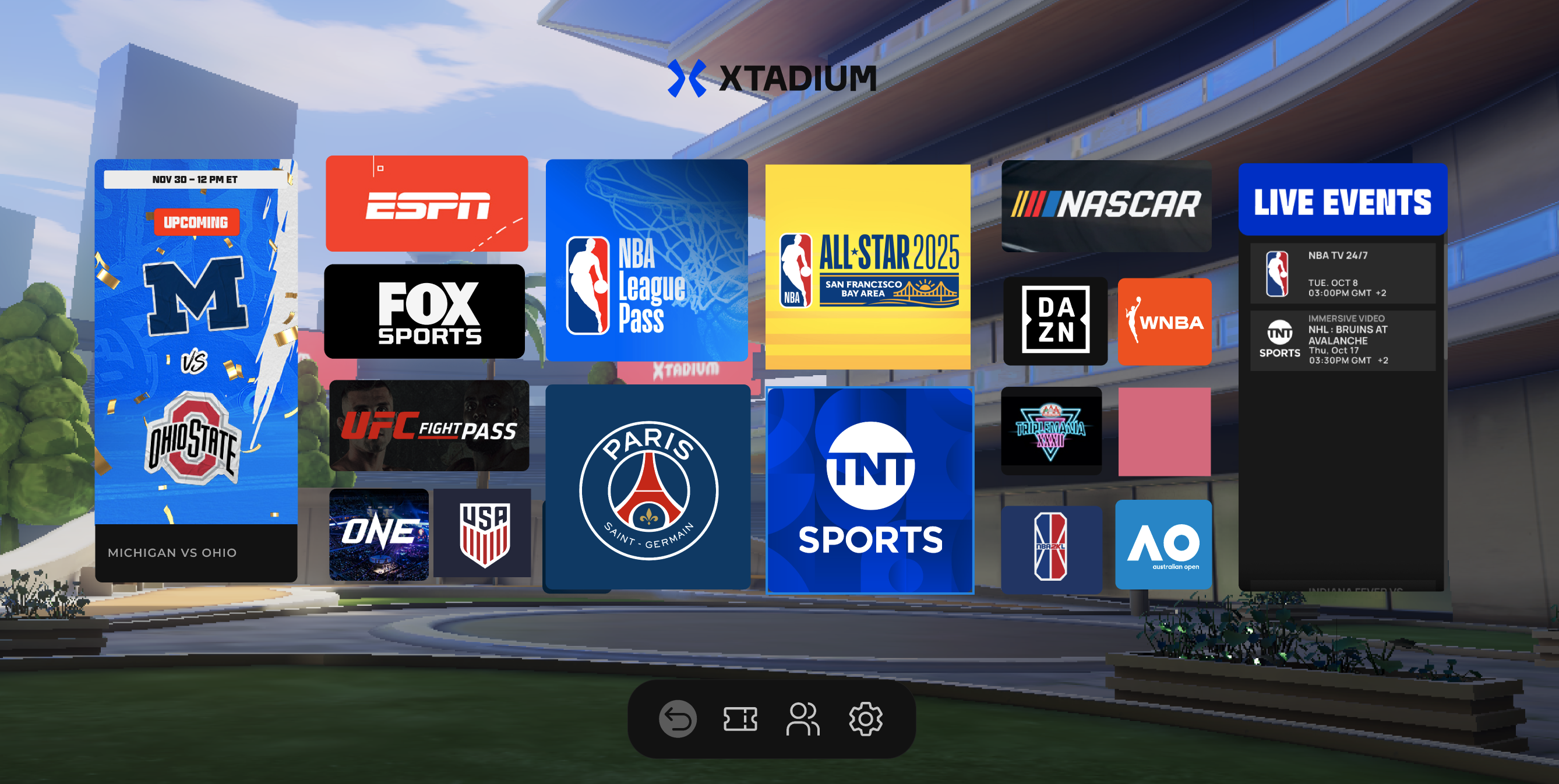
Shipped in 2022 as the flagship VR sports app on Meta Quest, scaling to thousands of daily active viewers and content partnerships across the NBA, FOX Sports, ESPN, and more.
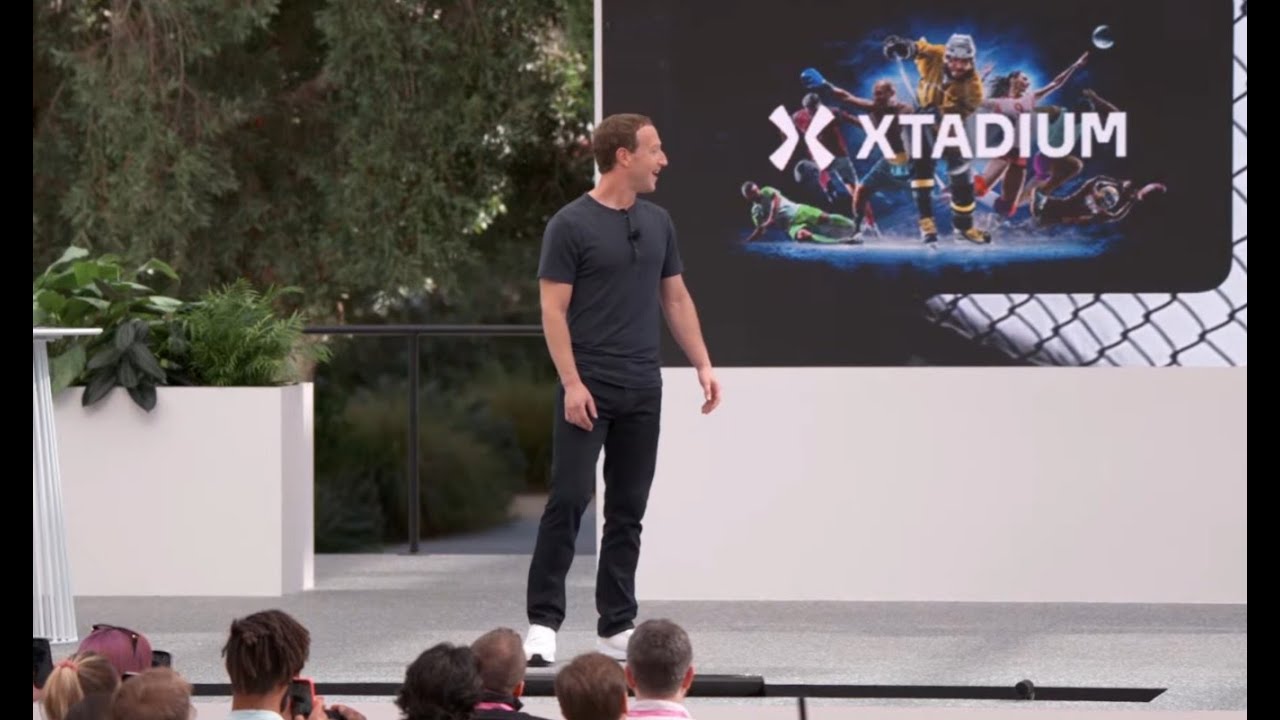 Featured by Mark Zuckerberg at Meta Connect 2023
Quick look at what shipped
See the full design ↓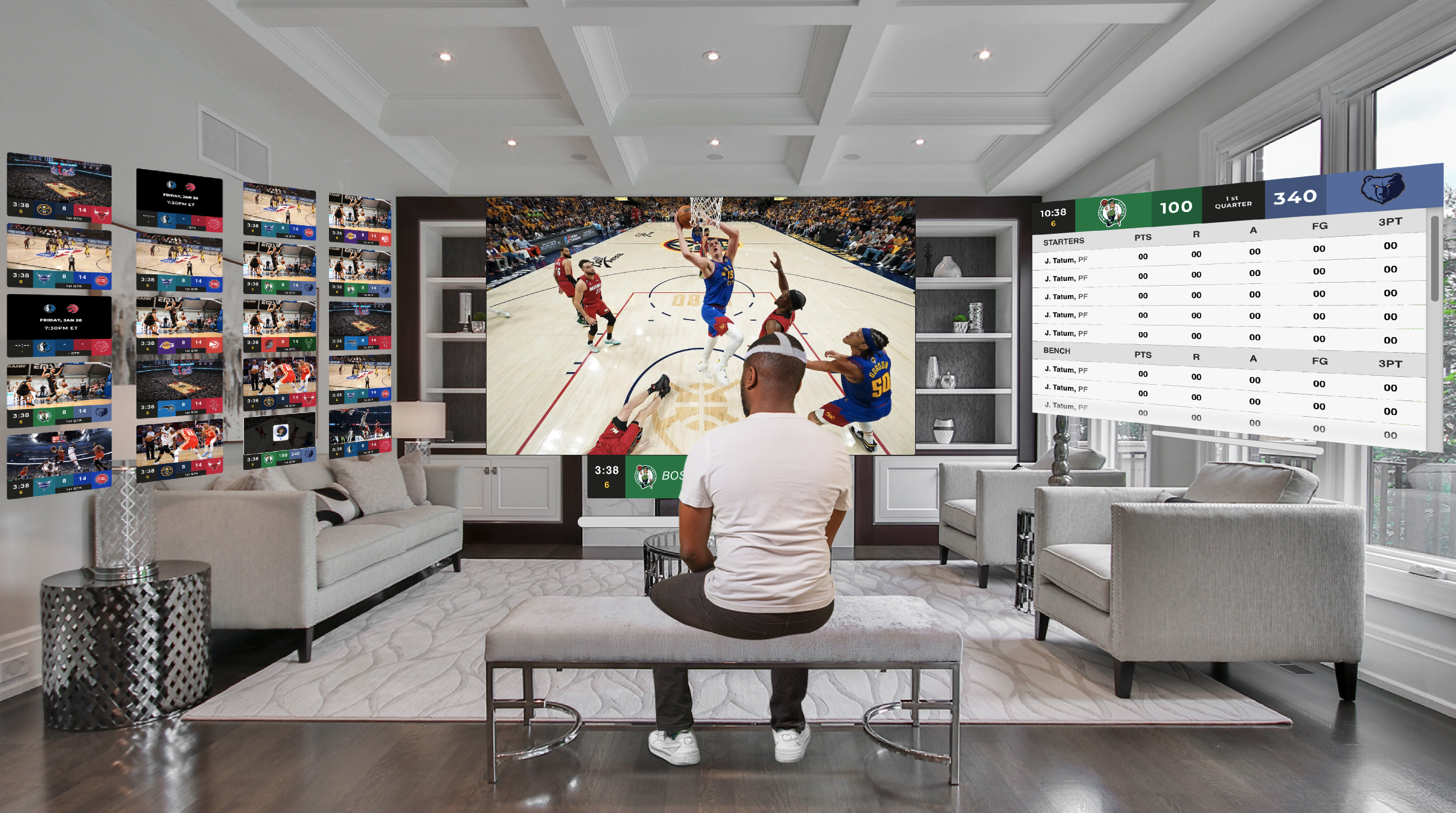
Chosen Methodology
To inform our design decisions, we followed a comprehensive human-centered design approach. We combined stakeholder workshops, target user interviews, competitor analysis, usability testing, and iterative design validation across development cycles.
Discovery & Research

Understanding the Opportunity
We kicked off with a collaboration with Meta to build a next-gen VR sports app tailored for U.S. audiences. Our goal was to capture the energy of live sports and make it social, accessible, and immersive.

Benchmarking & Competitor Review
We analyzed existing VR and sports streaming platforms to assess gaps, strengths, and unmet user needs, helping us position Xtadium uniquely within the XR market.

Target User Interviews
To define our audience and features, we conducted interviews with U.S.-based VR users and sports fans.
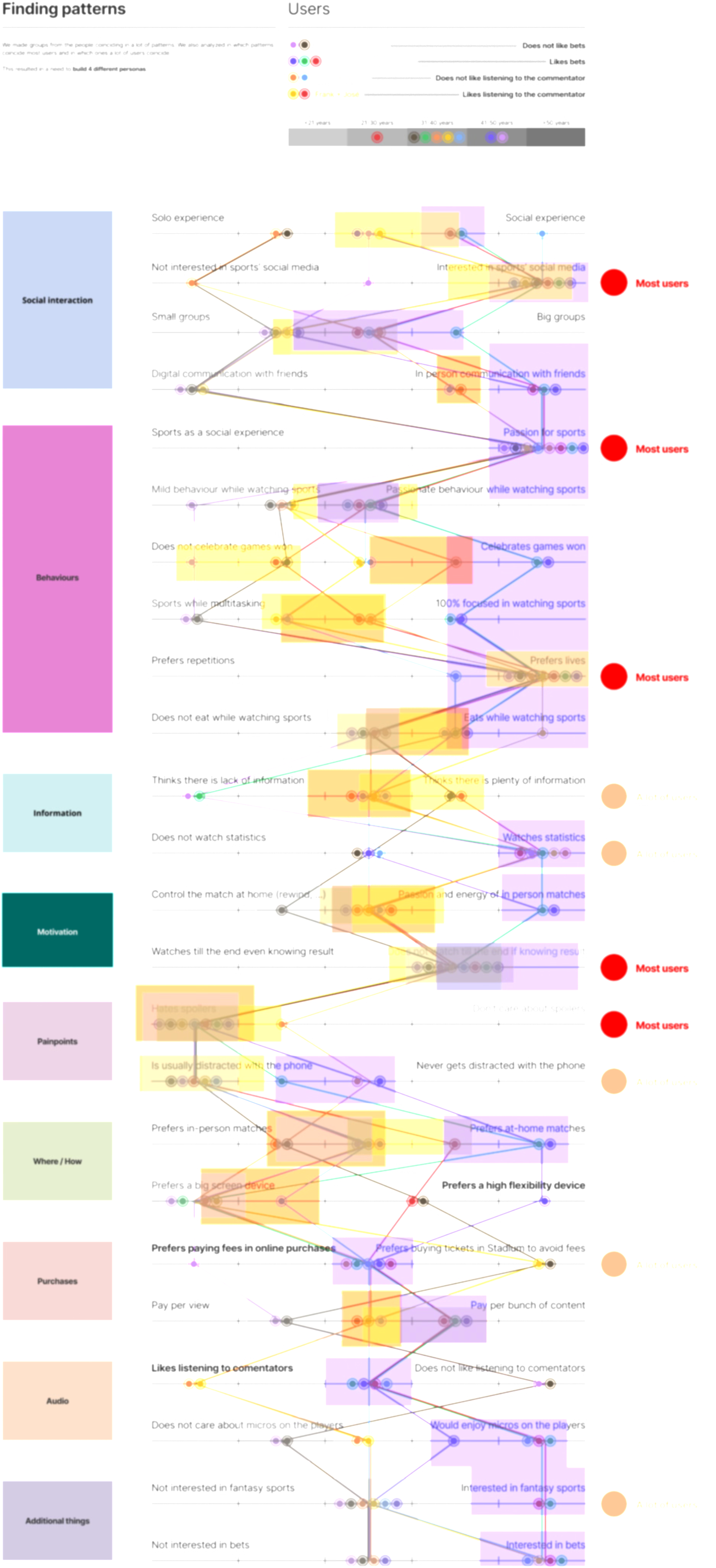
Testimonials
These conversations helped us:
- Prioritize live interaction and social features
- Emphasize ease of navigation in VR
- Highlight the importance of camera choice and control
- Identify content expectations (e.g., major sports leagues)
Users like multitasking while watching a match
"...so I'd say, yes, I'm distracted. It's often background as I am cleaning up or doing something else"
Users want experiences with a close circle of family or friends
"...it would just be like me and my friends. I don't want to be around outside people."
Users want to customise video and audio feed
"...I would like to be able to mute the commentator, (...) or even switch cameras to focus on what I like."
Definition & Design
This phase involved defining the user flows, screen layout, interactions, and visual style. Our focus was always on clarity, comfort, and usability within the unique constraints of VR and MR.
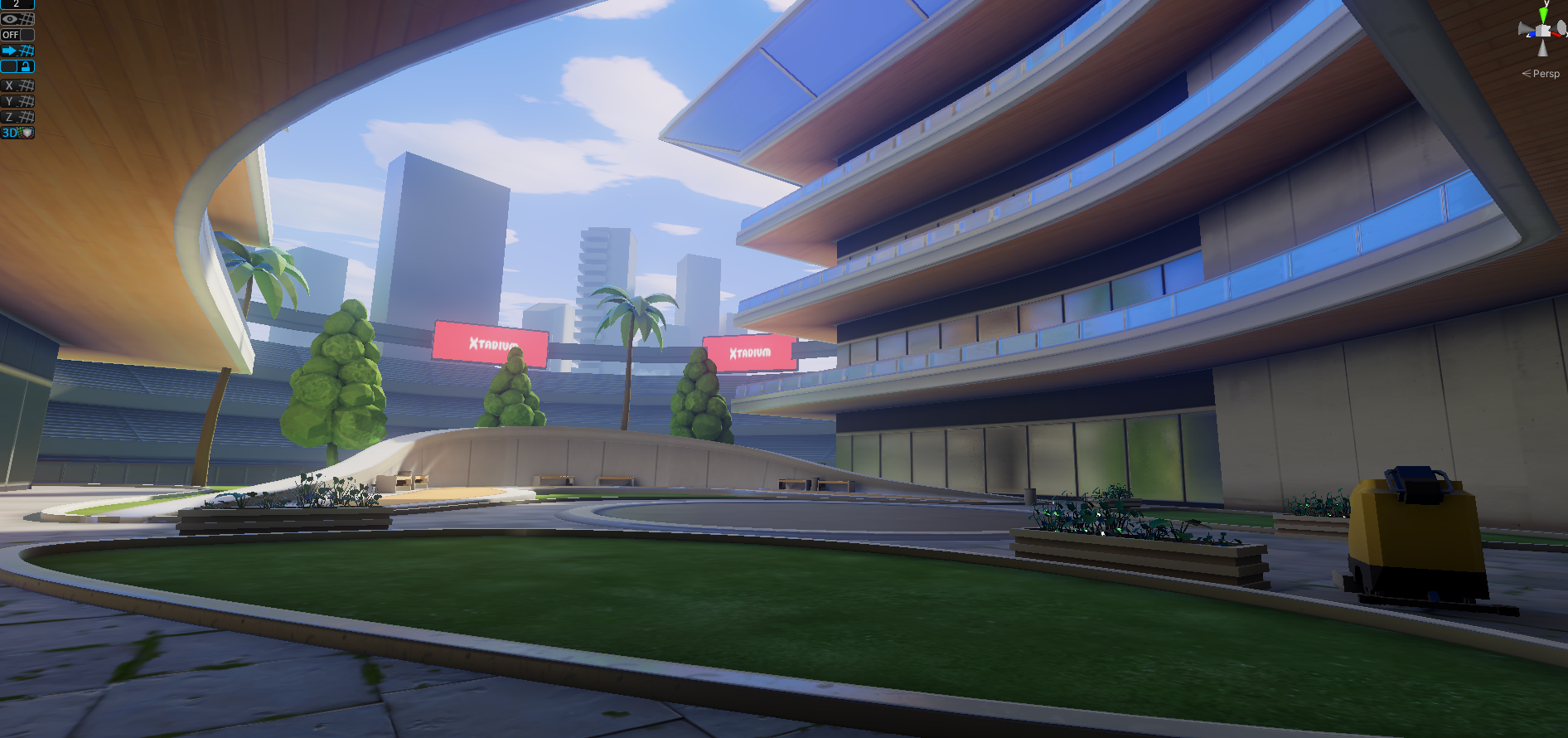
Immersive Environment Design
Working closely with our Technical Artist, we created welcoming, intuitive 3D environments for home screens, video viewing, and party rooms.
Cross-Team Collaboration
Each design decision was discussed with engineers, QA, and product managers, ensuring feasibility and consistency across the app.
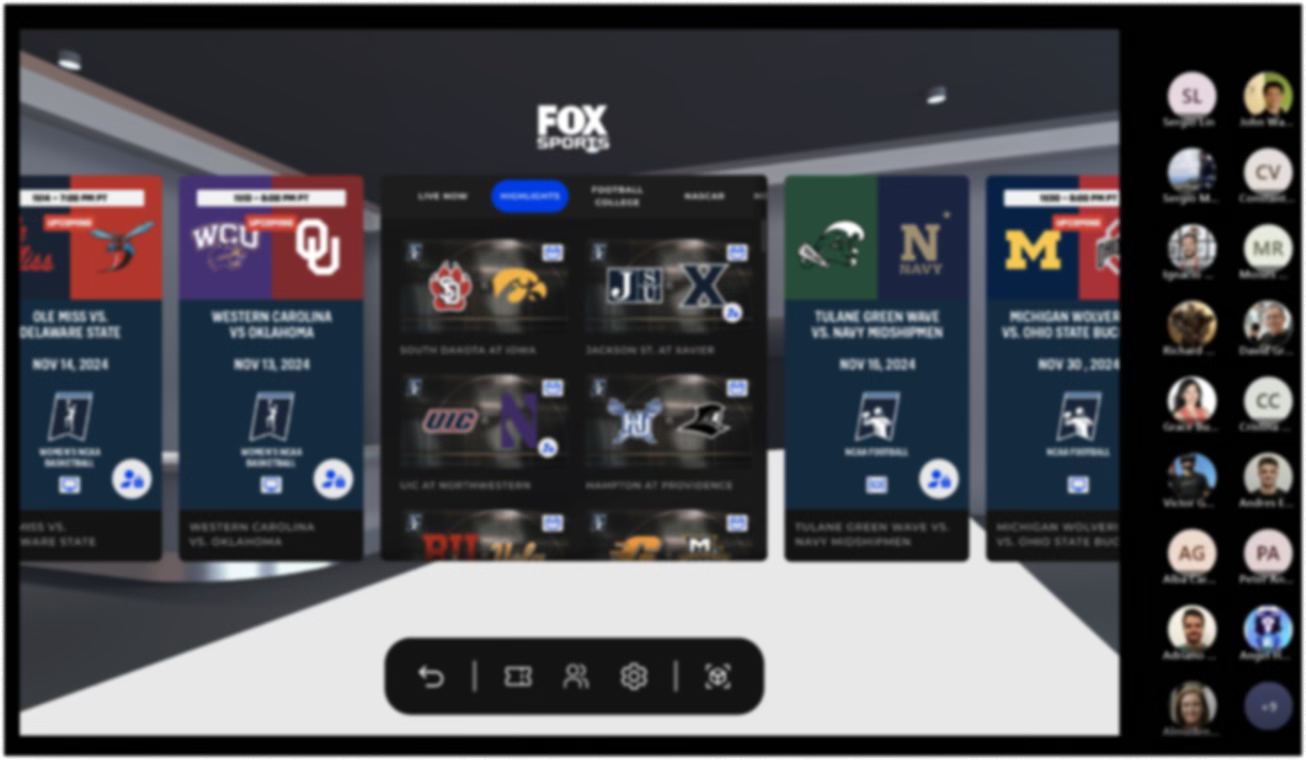
Interaction Modes
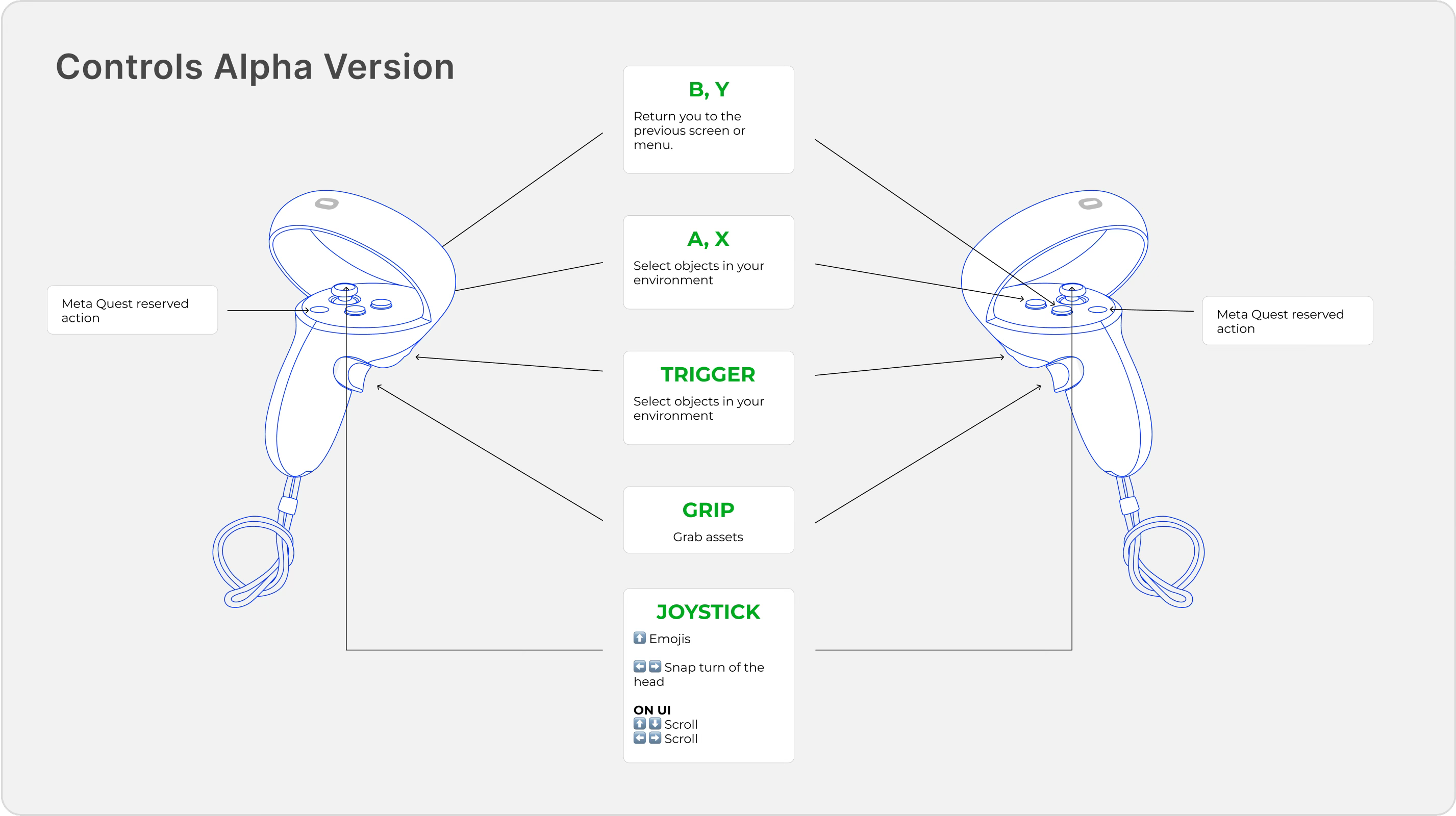
Designing for controllers, hand tracking, VR, and MR simultaneously added complexity. We carefully tested and validated interaction patterns for all modes.
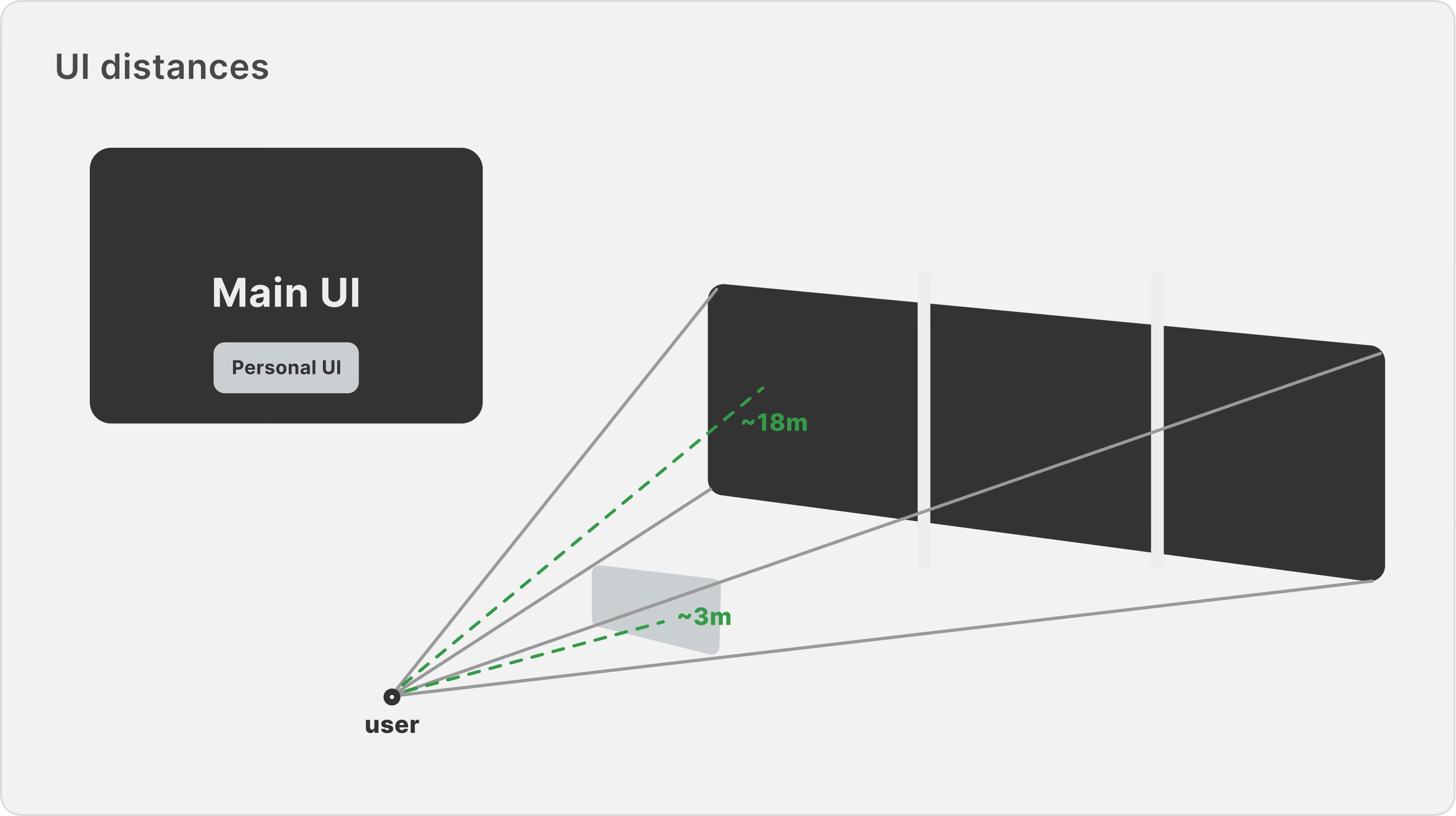
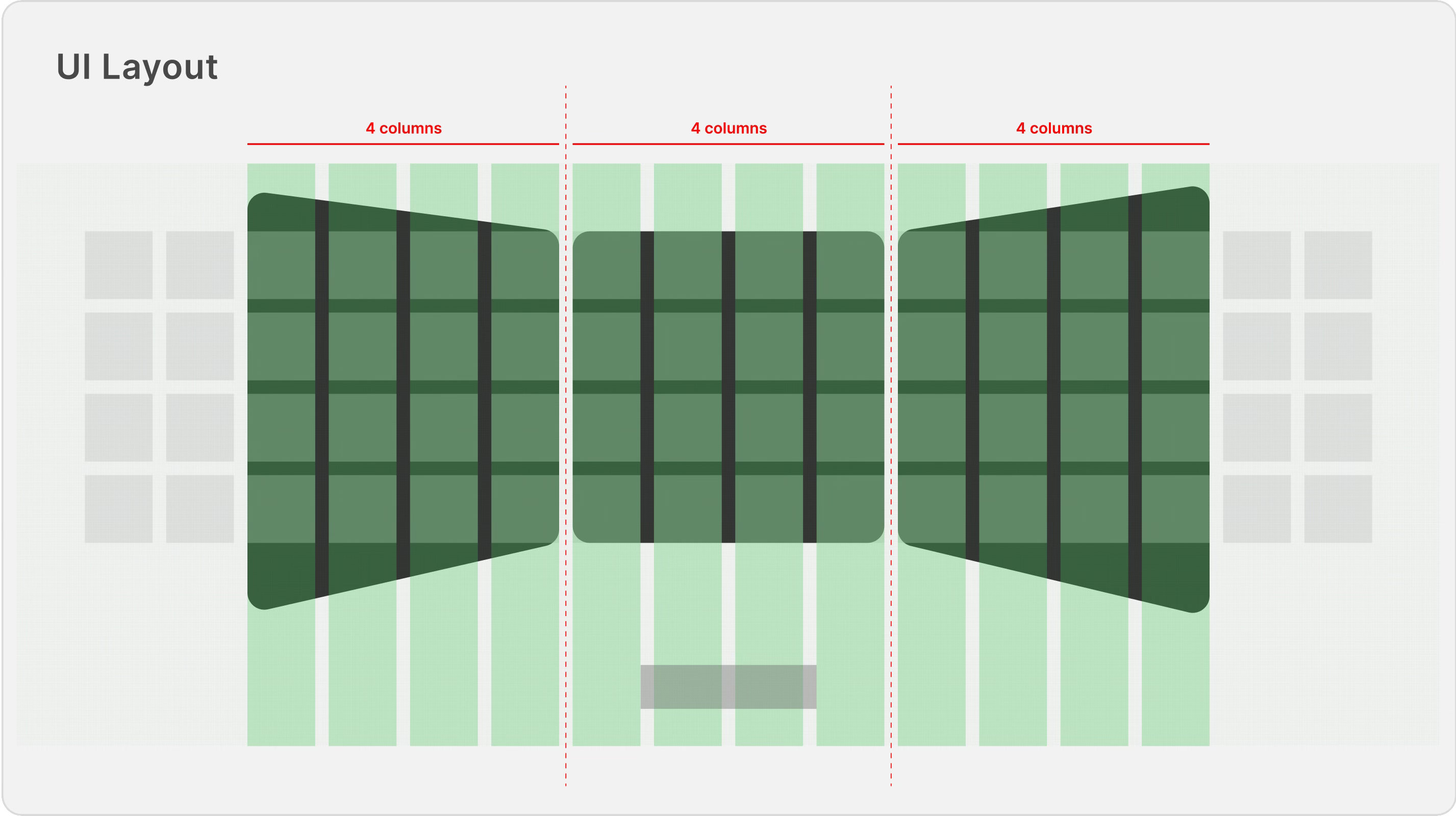
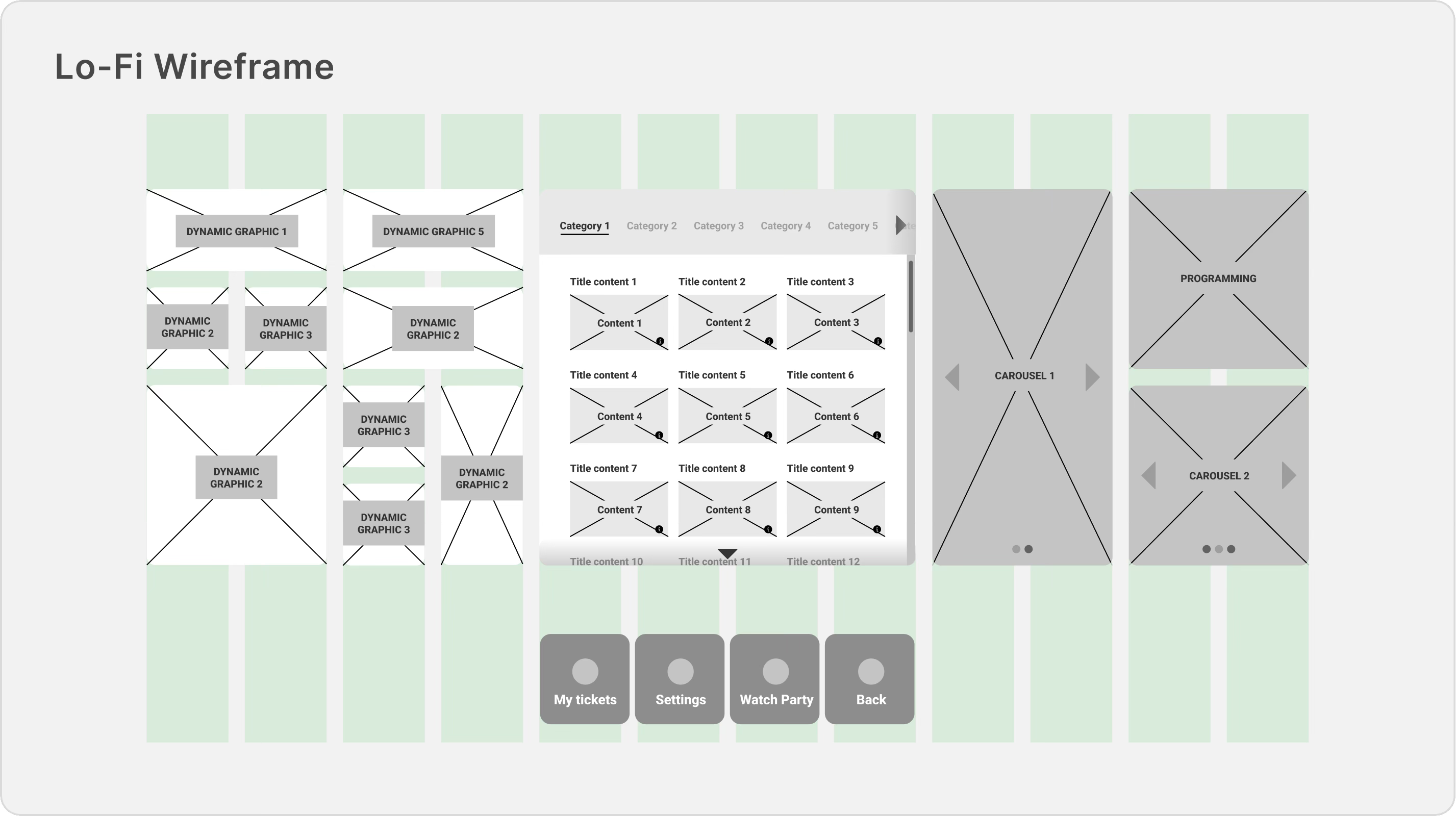
Wireframing for XR
We explored how to bring familiar streaming interactions into VR and MR. Wireframes helped define clear spatial layouts and test usability with hand tracking and controllers, while keeping core flows simple and recognisable.
Test & Refine
Throughout development, we worked closely with QA and engineers to continuously test features and validate usability. In immersive environments, even small UX issues can break the experience, so we regularly identified pain points, refined interactions, and ensured core flows felt intuitive with both hand tracking and controllers.
Continuous QA Collaboration
Throughout development, we worked closely with QA to track bugs, identify flow issues, and polish interactions.
Usability Testing
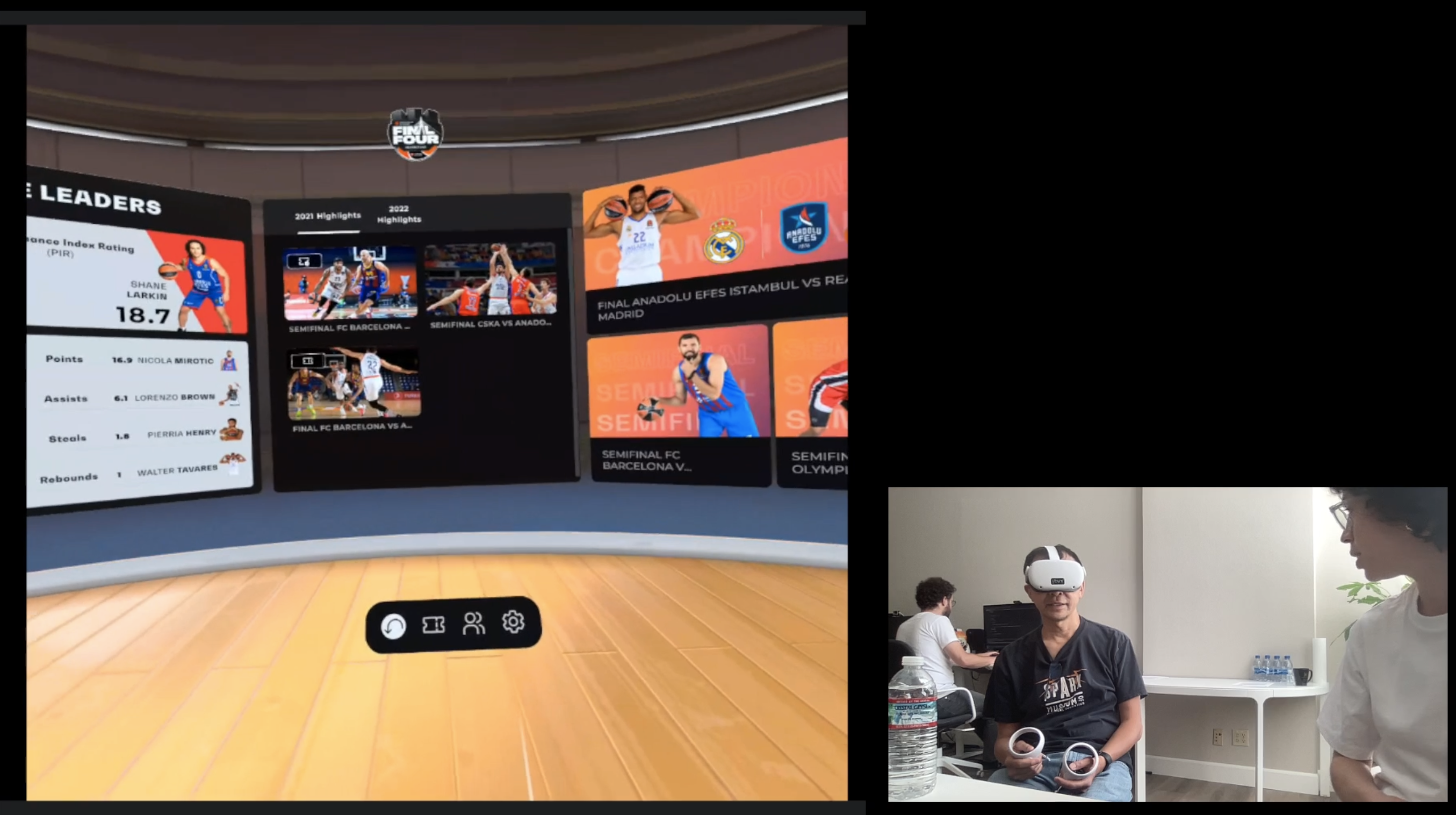
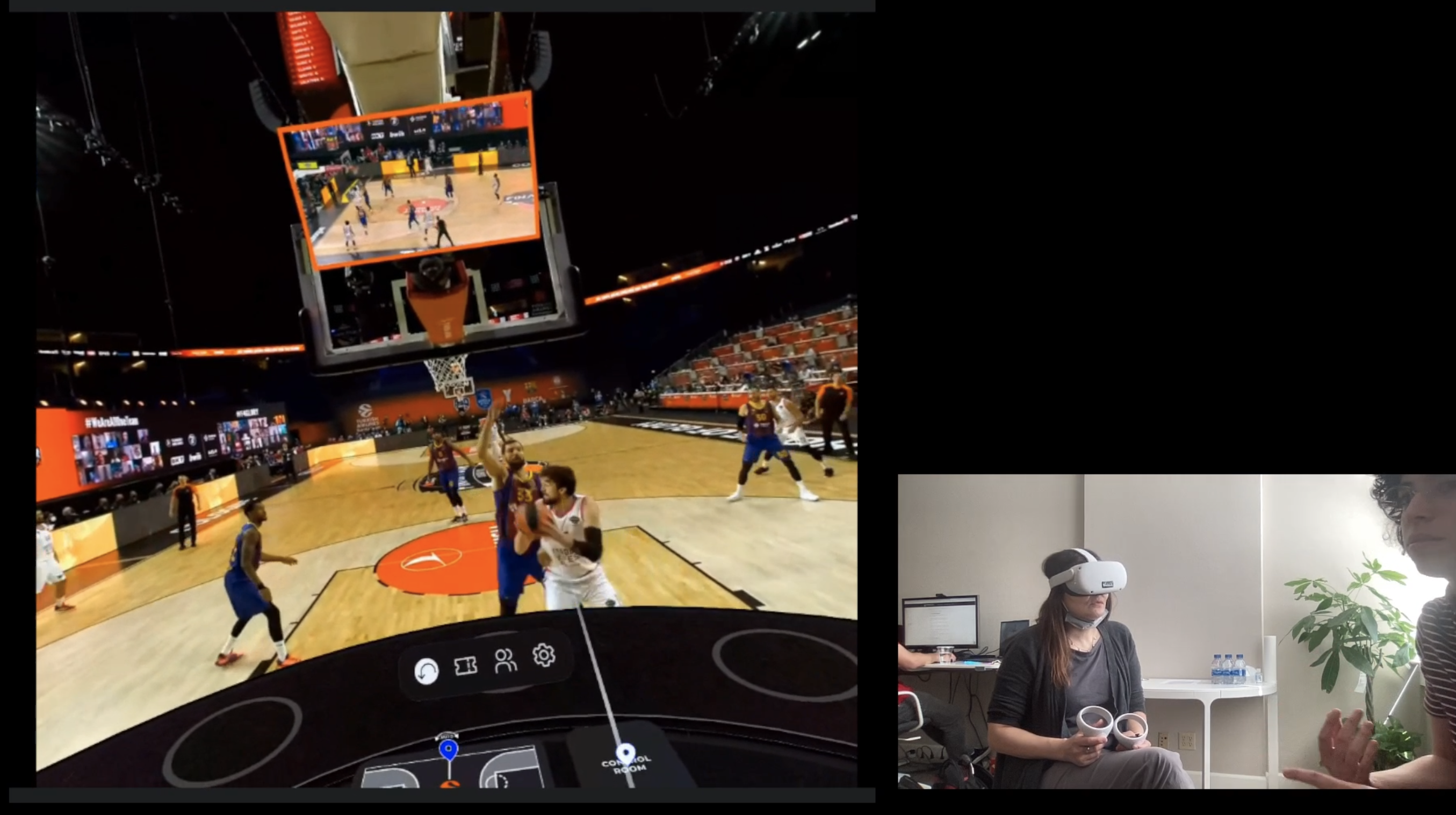
We ran in-person moderated sessions with real VR sports fans in the US to observe how they used the app. The tests revealed confusion around gestures and some social features, helping us refine the flows, simplify interactions, and improve onboarding for first-time users.
Real-World Behavior Observation
In addition to formal tests, we observed how users naturally engaged with the app in longer sessions. This gave us critical insight into fatigue, gesture discoverability, and how users transitioned between watching content and interacting socially.
Insights Gathered
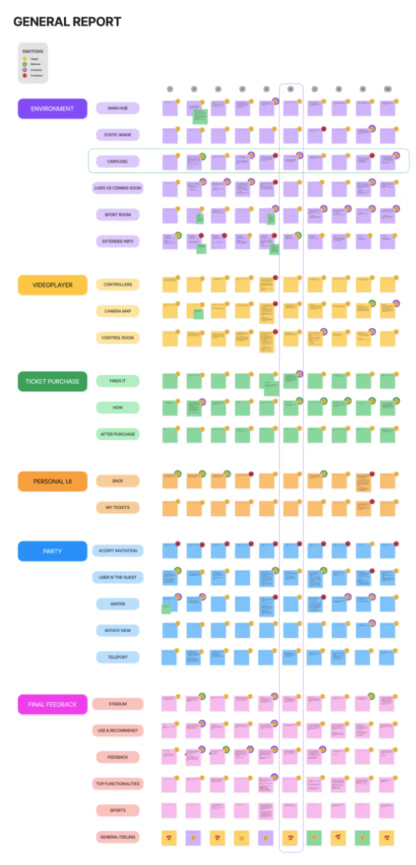
From this research phase, we collected over 30 actionable insights that guided final product refinements.
One key learning was the need for better onboarding around gesture-based controls. Users also needed clearer cues to discover social features and camera options.
These findings, supported by direct quotes and behavioral patterns, shaped our last design iterations and are summarized in the full usability report shown here.
Final Design
Bringing the Stadium Home
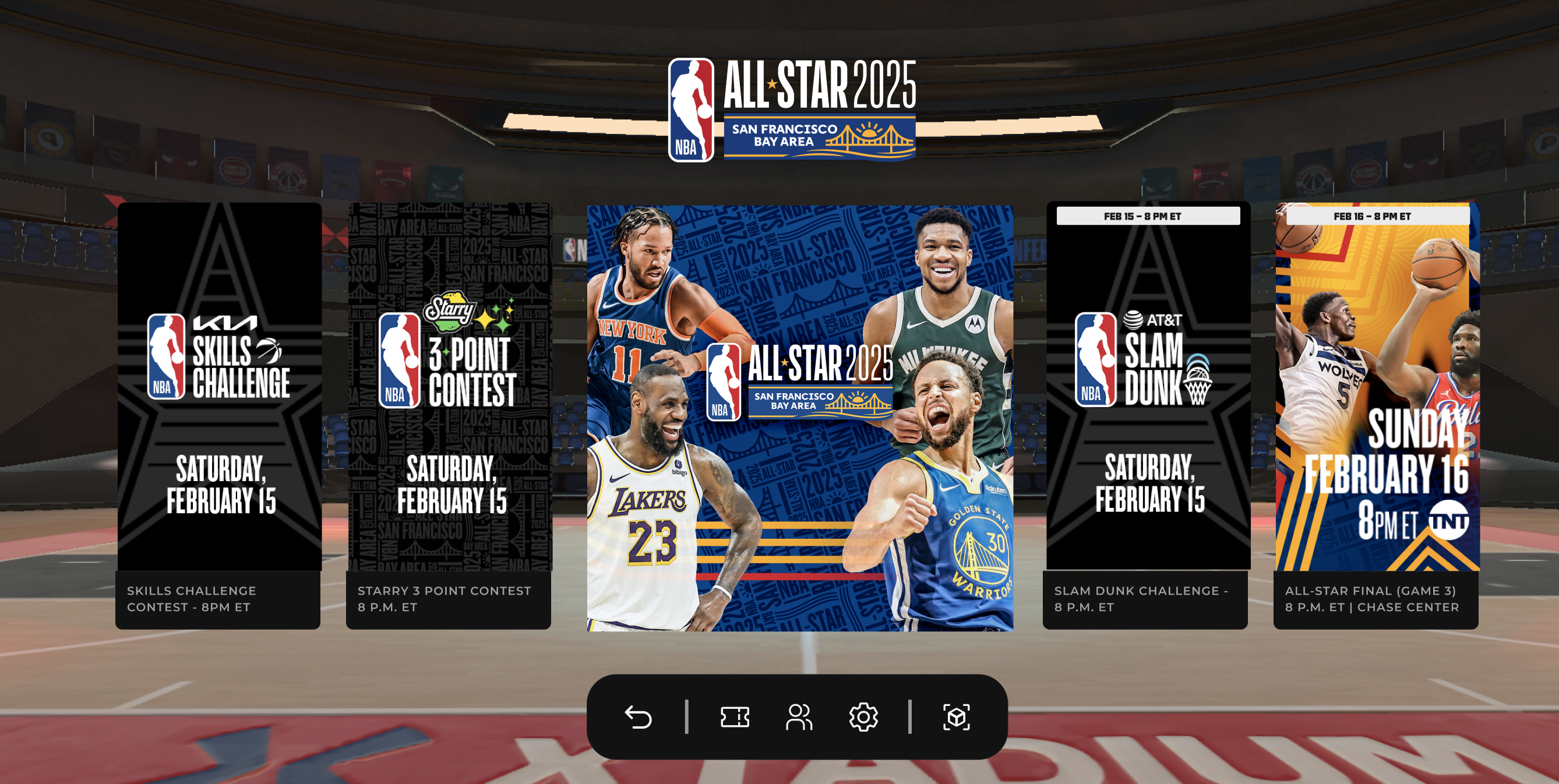
The final UI recreates the energy of a stadium with intuitive controls, real-time stats, and social features. Every element was optimised for comfort and clarity in immersive environments, making sports viewing feel both natural and exciting.
Full flow walkthrough, recorded in-app
Be there from anywhere with your friends.
Release
Xtadium shipped in 2022 as the flagship VR app for sports content on Meta Quest. Since release, the app has:
- Gained thousands of daily active viewers
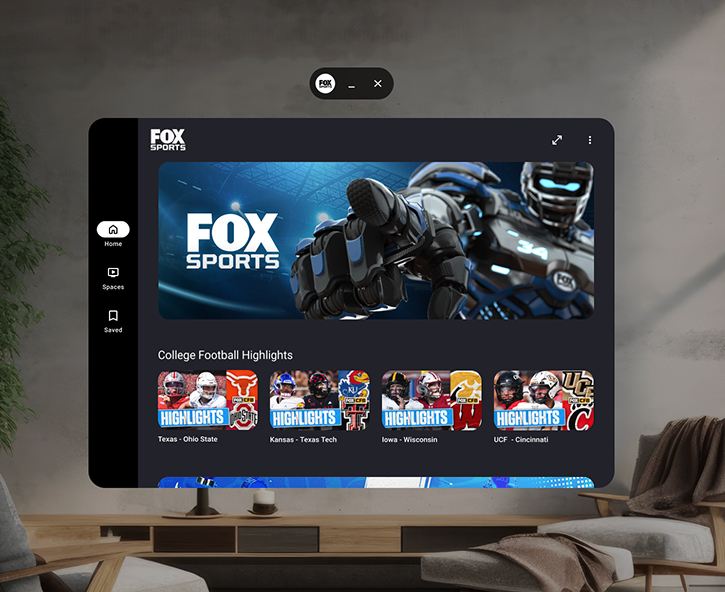
- Signed partnerships with the NBA, Fox Sports, ESPN, Nascar, WNBA, DAZN, XGames, TNT, Paris Saint-Germain, and more
- Scaled fast enough that in 2023, Mark Zuckerberg featured Xtadium on stage at Meta Connect
Xtadium isn't just an app, it's the future of how fans connect to live sports. Built on immersive tech, real-time content, and social connection, it proves that virtual stadiums can be just as electrifying as the real ones.
On stage with Mark Zuckerberg
A year after shipping, Xtadium's momentum earned it a spot in the Meta Connect keynote. Called out by Mark Zuckerberg himself as an example of what immersive sports viewing on Quest can be.